

Discover the ultimate healthy eating guide. Learn nutrition basics, balanced diets, food groups, meal planning tips, and smart eating habits for wellness.
Food and nutrition play a vital role in shaping our health and well-being. Every meal we eat provides the building blocks that our bodies need to grow, repair, and function at their best. When we practice healthy eating, we supply our body with the right mix of nutrients, which directly influences our energy, mood, and long-term health.
Nutrition is more than just calories. It involves understanding how different foods interact with our bodies and how balanced diets help prevent illness and promote vitality. By making smart food choices every day, you can build a strong foundation for lifelong health.
This guide explains everything you need to know about food and nutrition. From nutrition basics to balanced diets and practical meal planning tips, you will learn how to develop healthy eating habits that fit your lifestyle.
Healthy Eating Basics: Building a Strong Foundation

Healthy eating forms the backbone of good health. It goes beyond simply counting calories or avoiding certain foods. Instead, it is about making consistent, thoughtful choices that fuel the body, keep energy levels steady, and reduce the risk of disease. By focusing on balanced diets, portion control, and food quality, you can build habits that last a lifetime.
What Is Healthy Eating?
Healthy eating means consuming a variety of foods that provide essential nutrients like carbohydrates, proteins, fats, vitamins, and minerals. It does not require perfection or eliminating entire food groups. Instead, it encourages balance, moderation, and variety. For example, eating a bowl of whole-grain oatmeal topped with berries provides fiber, antioxidants, and sustained energy, while also being delicious.
At its core, healthy eating supports both physical and mental well-being. People who consistently eat balanced meals often report improved focus, better digestion, and more stable moods. Over time, these small decisions add up to big health benefits.
Why Balanced Diets Matter
Balanced diets are crucial because they ensure the body gets everything it needs to function properly. Carbohydrates fuel the brain and muscles, proteins repair tissues, fats protect organs and regulate hormones, while vitamins and minerals strengthen immunity and support countless processes inside the body. When one nutrient is missing, the body struggles to perform at its best.
For example, a diet lacking in iron can cause fatigue, while too little calcium may weaken bones. By combining different food groups, you protect yourself from deficiencies and maintain long-term wellness.
Common Nutrition Myths Explained
When it comes to healthy eating, misinformation is everywhere. Clearing up these myths helps you make smarter choices.
- Myth 1: Carbohydrates should be avoided.
In reality, healthy carbs from whole grains, fruits, and vegetables are vital sources of energy. The key is to limit refined carbs such as white bread and sugary snacks. - Myth 2: All fats are bad.
Fats are essential for brain function, hormone regulation, and vitamin absorption. The problem lies in trans fats and excessive saturated fats, while healthy fats from nuts, seeds, and olive oil are beneficial. - Myth 3: Eating healthy is expensive.
With smart shopping and meal planning, healthy eating can be affordable. Buying seasonal produce, whole grains in bulk, and preparing meals at home saves money and improves nutrition. - Myth 4: Skipping meals helps with weight loss.
Skipping meals often backfires, leading to overeating later. Eating regular, balanced meals keeps metabolism steady and reduces cravings.
Building Habits for Success
The best way to succeed with healthy eating is to start small and stay consistent. Try adding an extra serving of vegetables to your dinner, swapping soda for water, or cooking one more meal at home each week. Over time, these small changes become second nature.
Healthy eating is not a short-term diet—it’s a long-term commitment to caring for your body. By focusing on balance, variety, and moderation, you create a strong foundation that supports energy, resilience, and overall well-being for years to come.
Understanding Nutrition Basics

Healthy eating begins with understanding nutrition basics. Food is more than just fuel; it provides the essential building blocks that help our bodies grow, repair, and function. Nutrition can be broken down into two main categories: macronutrients and micronutrients. Both are vital, but they play very different roles in the body.
Macronutrients: The Body’s Main Fuel
Macronutrients are nutrients that our bodies need in large amounts. They provide energy and perform essential functions. The three main macronutrients are carbohydrates, proteins, and fats.
Protein Explained
Protein is essential for building and repairing tissues. Muscles, skin, hair, and even enzymes and hormones rely on protein to function. Without enough protein, the body cannot maintain or repair itself properly.
Good sources of protein include:
- Lean meats like chicken, turkey, and fish
- Eggs and dairy products such as yogurt and cheese
- Plant-based options like beans, lentils, tofu, and tempeh
- Nuts and seeds
Protein should be included in every meal to keep you full and to support strong muscles and a healthy metabolism.
Carbohydrates Explained
Carbohydrates are the body’s preferred source of energy. They are broken down into glucose, which fuels the brain, muscles, and organs. While some diets wrongly encourage cutting carbs, the type of carbohydrate matters more than the amount.
- Healthy carbs: Whole grains (oats, quinoa, brown rice), fruits, vegetables, and legumes. These provide fiber, vitamins, and long-lasting energy.
- Unhealthy carbs: Refined sugars and white flour products cause blood sugar spikes and crashes, leaving you tired and hungry.
Choosing whole carbohydrates ensures steady energy and better overall health.
Healthy Fats Explained
Fats often get a bad reputation, but healthy fats are crucial. They protect organs, support brain function, and help absorb fat-soluble vitamins like A, D, E, and K.
Healthy fat sources include:
- Avocados
- Olive oil and coconut oil
- Nuts and seeds
- Fatty fish such as salmon, sardines, and mackerel
Avoid trans fats found in fried and processed foods, as they raise bad cholesterol and increase the risk of heart disease.
Micronutrients: The Body’s Helpers
Unlike macronutrients, micronutrients are needed in smaller amounts, but their impact is just as important. They include vitamins and minerals that regulate countless processes in the body.
Vitamins Explained
Vitamins help the body perform daily functions. For example:
- Vitamin A supports vision and immunity.
- Vitamin C boosts collagen production and immune defense.
- Vitamin D helps with calcium absorption and bone strength.
- Vitamin B12 keeps the nervous system healthy.
Since different foods contain different vitamins, eating a variety of colorful fruits and vegetables is key.
Minerals Explained
Minerals also play a major role in body health:
- Calcium builds strong bones and teeth.
- Iron carries oxygen in the blood.
- Magnesium supports muscle and nerve function.
- Potassium balances fluid levels and blood pressure.
Without these micronutrients, the body becomes vulnerable to fatigue, weakness, and long-term health problems.
Why Balance Is Important
Macronutrients and micronutrients work together. Too much or too little of any nutrient can throw the body out of balance. For example, eating excess protein without enough carbs may cause energy crashes, while not getting enough iron can lead to anemia.
The Cleveland Clinic explains in detail how macronutrients and micronutrients differ, and why both are equally important in creating balanced diets.
Practical Tips to Cover Nutrition Basics
- Fill half your plate with fruits and vegetables.
- Choose whole grains instead of refined ones.
- Include a source of lean protein in each meal.
- Use healthy fats for cooking or as toppings.
- Drink plenty of water to support digestion and absorption of nutrients.
By mastering these nutrition basics, you give your body the tools it needs to stay energized, fight disease, and thrive.
Food Groups Explained: Eating for Balance

A balanced diet means getting nutrients from different food groups. Each group provides unique benefits, and no single category can supply everything the body needs. By combining them, you create meals that nourish, energize, and protect your health. Understanding the main food groups helps you make smarter choices every day.
Fruits and Vegetables: Nature’s Nutrient Powerhouses
Fruits and vegetables are rich in vitamins, minerals, fiber, and antioxidants. They strengthen immunity, support digestion, and protect against chronic illnesses. Nutrition experts recommend eating a wide variety of colors—green, orange, red, purple, and yellow—because each color represents different nutrients.
- Examples of nutrient-rich vegetables: spinach, broccoli, carrots, bell peppers, and sweet potatoes
- Examples of nutrient-rich fruits: apples, berries, bananas, oranges, and grapes
Aim for at least five servings daily. Fresh, frozen, or lightly cooked options are better than heavily processed ones.
Whole Grains and Fiber: Sustained Energy
Whole grains are an excellent source of complex carbohydrates, which release energy slowly and keep you full longer. They also provide fiber, which supports digestion and helps control cholesterol levels.
Choose whole grains such as:
- Brown rice
- Oats
- Quinoa
- Whole-wheat bread and pasta
Refined grains like white bread and pastries should be limited, as they lose fiber and nutrients during processing.
Protein Sources: Building and Repairing the Body
Proteins are the body’s building blocks. They support muscle growth, tissue repair, and hormone production. Both plant-based and animal-based sources can meet your protein needs.
- Animal-based protein: chicken, turkey, fish, eggs, and dairy products
- Plant-based protein: beans, lentils, tofu, tempeh, nuts, and seeds
Including different protein sources in your diet helps cover all essential amino acids, especially important for those on plant-based diets.
Dairy and Alternatives: Calcium and Vitamin D
Dairy products provide calcium, protein, and vitamin D, which are essential for bone strength. Common options include milk, cheese, and yogurt.
For those who are lactose-intolerant or follow a vegan lifestyle, fortified alternatives such as almond milk, soy milk, or oat milk can provide the same nutrients. Always check labels to ensure they contain added calcium and vitamin D.
Healthy Fats and Oils: Essential for the Body
Fats are often misunderstood, but the right types are vital. Healthy fats support brain health, regulate hormones, and help the body absorb fat-soluble vitamins.
Good sources include:
- Olive oil
- Avocados
- Nuts and seeds
- Fatty fish like salmon and sardines
Limit unhealthy fats such as trans fats found in fried foods and packaged snacks.
Why Food Groups Work Best Together
Each food group works in synergy with the others. For example:
- A meal of grilled fish (protein) with quinoa (whole grain) and steamed broccoli (vegetable) provides protein, fiber, vitamins, and healthy fats if cooked with olive oil.
- A breakfast of oatmeal (whole grain) topped with blueberries (fruit) and almonds (healthy fats) balances macronutrients and micronutrients in one bowl.
By combining food groups, you create meals that are balanced, satisfying, and nutrient-dense.
Tips for Eating from All Food Groups Daily
- Fill half your plate with fruits and vegetables.
- Make at least one-quarter of your plate whole grains.
- Add lean protein sources to each meal.
- Include a small portion of dairy or a fortified alternative.
- Use healthy fats like olive oil or avocado to prepare food.
Balanced eating doesn’t mean strict rules. Instead, it’s about variety and moderation. By making thoughtful choices from each food group, you create a strong nutritional foundation that supports energy, strength, and overall wellness.
Daily Nutrition Tips and Healthy Eating Habits
Good nutrition is built on consistent daily choices. It’s not about following strict rules but about developing simple habits that fit naturally into your lifestyle. When practiced regularly, these habits improve energy, boost mood, and help prevent disease. Let’s explore practical daily nutrition tips and habits you can start today.
Portion Control Explained
Portion control is one of the most effective strategies for maintaining a healthy weight and preventing overeating. Often, people eat more than they realize because portion sizes have grown in restaurants and packaged foods.
- Use smaller plates and bowls: This naturally reduces the amount of food you serve yourself.
- Fill half your plate with vegetables: They are low in calories and high in nutrients.
- Be mindful of snacks: Instead of eating straight from the bag, portion snacks into small bowls.
- Listen to hunger cues: Eat when you are hungry, and stop when you feel satisfied, not stuffed.
By practicing portion control, you can enjoy your favorite foods without overindulging.
Smart Food Choices
Making smart food choices doesn’t mean giving up everything you love. It means replacing less nutritious options with healthier alternatives.
- Choose whole-grain bread instead of white bread.
- Opt for grilled chicken instead of fried chicken.
- Replace sugary drinks with water, herbal tea, or sparkling water.
- Snack on nuts, fruit, or yogurt instead of chips or candy.
These small swaps add up and can dramatically improve your overall nutrition.
Eating Habits for Wellness
Beyond what you eat, how you eat matters. Developing mindful eating habits can improve digestion and help you enjoy meals more fully.
- Eat slowly: This gives your body time to recognize fullness.
- Avoid distractions: Put away phones and turn off the TV while eating.
- Eat regularly: Skipping meals can lead to overeating later.
- Balance your meals: Include protein, healthy fats, and fiber to keep blood sugar steady.
Mindful eating connects you to your body’s needs and helps prevent emotional or stress-driven eating.
Importance of Hydration
Water is essential for nearly every function in the body, yet many people don’t drink enough. Proper hydration aids digestion, regulates temperature, and boosts energy levels.
Tips for staying hydrated:
- Carry a reusable water bottle.
- Drink a glass of water before each meal.
- Infuse water with lemon, cucumber, or mint for flavor.
- Limit sugary drinks and sodas, which dehydrate rather than hydrate.
A general rule is to aim for about eight glasses per day, but needs vary based on activity level and climate.
Superfoods Explained
Superfoods are nutrient-rich foods that offer powerful health benefits. While no single food can solve all health problems, adding more superfoods to your diet can help maximize nutrition.
Some examples include:
- Blueberries: Packed with antioxidants for brain health.
- Spinach: Loaded with vitamins A, C, and K.
- Salmon: Rich in omega-3 fatty acids for heart health.
- Chia seeds: High in fiber and omega-3s.
- Almonds: Great source of protein and healthy fats.
Including a variety of superfoods in meals ensures your diet is full of nutrients.
Healthy eating habits don’t happen overnight, but small daily actions lead to long-term success. Start by making one or two changes, such as drinking more water or swapping refined grains for whole grains. Over time, these habits become natural.
By practicing portion control, making smart food choices, eating mindfully, staying hydrated, and adding nutrient-rich superfoods to your meals, you can create a lifestyle that supports both your health and happiness.
Healthy Meal Planning and Cooking Ideas
Healthy eating becomes much easier when you plan ahead. Instead of making last-minute food decisions that often lead to processed or fast-food options, meal planning ensures you always have nutritious meals ready. By combining smart planning with simple cooking methods, you can save time, reduce stress, and stay on track with balanced diets.
How to Eat Healthy with Meal Planning
Meal planning is the foundation of consistent healthy eating. It gives you control over ingredients, portion sizes, and variety.
Here’s how to get started:
- Create a weekly menu: Decide what you’ll eat for breakfast, lunch, dinner, and snacks. This prevents relying on unhealthy last-minute choices.
- Shop with a grocery list: Plan shopping around your menu. Sticking to a list helps avoid impulse buys like chips and sodas.
- Batch cook: Prepare larger portions of meals like soups, stews, or grilled chicken that can be eaten throughout the week.
- Prep ingredients in advance: Wash and chop vegetables, cook grains, or portion snacks into containers to save time during busy days.
Planning ahead makes healthy eating practical, even with a busy schedule.
Clean Eating Guide
Clean eating is a popular approach to meal planning that emphasizes whole, minimally processed foods. It focuses on quality rather than strict restrictions.
Principles of clean eating include:
- Choosing whole foods over packaged ones.
- Reducing added sugars, preservatives, and artificial flavors.
- Prioritizing fresh fruits, vegetables, and lean proteins.
- Cooking meals at home instead of relying on takeout.
For example, a clean eating dinner might be grilled salmon with roasted sweet potatoes and a side salad. It’s simple, flavorful, and nutrient-dense.
Healthy Recipes for Beginners
You don’t need complicated recipes to eat well. A few easy ideas include:
- Breakfast: Overnight oats with berries, chia seeds, and almond milk.
- Lunch: Quinoa salad with chickpeas, cucumbers, and olive oil dressing.
- Dinner: Stir-fried vegetables with tofu or chicken over brown rice.
- Snacks: Apple slices with peanut butter or a handful of mixed nuts.
These recipes require minimal ingredients, making them ideal for beginners.
Healthy Cooking Ideas
Cooking methods can significantly impact the nutrition in food. Instead of frying or using heavy oils, try these healthier techniques:
- Steaming: Retains nutrients in vegetables while keeping them crisp.
- Grilling: Adds flavor without excess oil.
- Baking: Perfect for lean proteins and root vegetables.
- Sautéing: Use olive oil or avocado oil in small amounts.
- Slow cooking: Great for soups, stews, and one-pot meals.
Adding herbs and spices like turmeric, garlic, and rosemary not only boosts flavor but also adds health benefits.
Diet Planning Tips for Families
Eating healthy as a family is easier when everyone participates. Children learn habits from parents, so setting an example is key.
Tips for family meal planning:
- Involve kids in grocery shopping and simple cooking tasks.
- Plan meals that everyone enjoys but make healthier swaps. For example, use whole-grain pasta instead of white pasta.
- Prepare family-style meals with lots of vegetables, lean proteins, and healthy grains.
- Avoid keeping sugary drinks and processed snacks at home.
Family meal planning builds stronger connections while ensuring everyone eats well.
Benefits of Meal Planning and Cooking at Home
- Saves money compared to eating out.
- Reduces food waste when you buy only what you need.
- Helps manage portion sizes.
- Increases control over ingredients, reducing excess sugar, salt, and unhealthy fats.
By planning meals and cooking at home, you can enjoy delicious, nutrient-rich foods that support your health goals and make eating well part of your lifestyle.
Plant-Based Nutrition and Whole Foods Diet
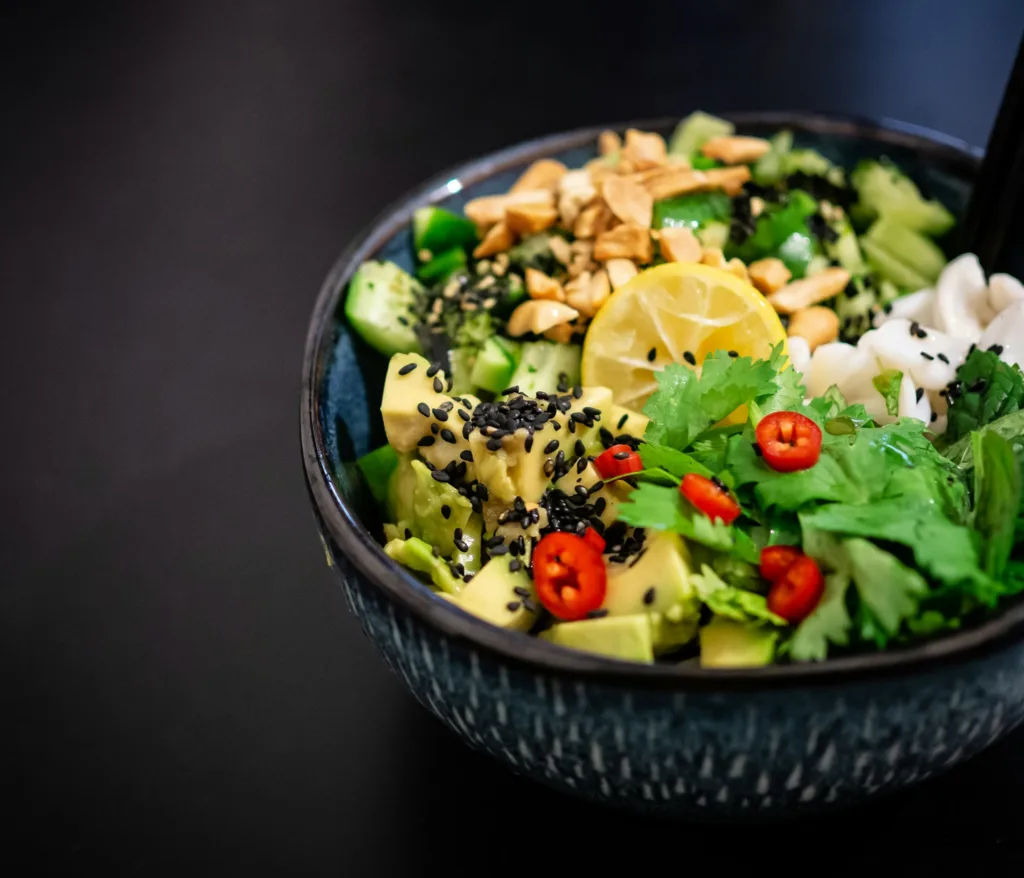
More people are embracing plant-based eating and whole foods diets as a way to improve health, protect the planet, and simplify nutrition. These approaches are not about following strict rules but about prioritizing fresh, natural foods over heavily processed ones. By focusing on plants and whole ingredients, you give your body the nutrients it needs while avoiding many of the additives found in modern processed diets.
What Is a Plant-Based Diet?
A plant-based diet emphasizes foods that come from plants, such as fruits, vegetables, grains, legumes, nuts, and seeds. Unlike vegan diets, which completely exclude animal products, plant-based diets are flexible. Some people include small amounts of fish, dairy, or meat while still prioritizing plants as the main focus.
The Harvard Health Blog explains that a plant-based diet has been linked to a lower risk of heart disease, diabetes, and certain cancers. It’s not just about reducing meat—it’s about eating more nutrient-dense, fiber-rich, and naturally wholesome foods.
Benefits of Plant-Based Eating
Plant-based nutrition offers numerous health benefits:
- Heart health: Diets high in fruits, vegetables, and whole grains support lower cholesterol and blood pressure.
- Digestive wellness: Fiber from plants helps regulate digestion and supports gut health.
- Weight management: Plant foods are often lower in calories but higher in volume, making it easier to feel full while eating fewer calories.
- Lower risk of disease: Studies show that plant-based eating reduces the risk of type 2 diabetes and certain cancers.
- Environmental impact: Eating more plants and fewer animal products reduces strain on natural resources and lowers carbon emissions.
Whole Foods Diet Explained
A whole foods diet focuses on consuming foods in their natural or minimally processed state. Instead of packaged meals or refined snacks, whole foods come straight from nature with little or no alteration.
Examples of whole foods include:
- Fresh fruits and vegetables
- Whole grains like oats, quinoa, and barley
- Legumes such as beans, peas, and lentils
- Nuts and seeds
- Lean proteins like fish, eggs, or unprocessed meats
This approach avoids refined sugars, artificial preservatives, and processed oils. Eating whole foods ensures that meals are nutrient-dense and free from unnecessary additives.
How to Transition to Plant-Based and Whole Foods Eating
Switching to a plant-based or whole foods diet doesn’t have to be overwhelming. Small steps make the transition easier:
- Start with one plant-based meal per day, like oatmeal for breakfast or a veggie stir-fry for dinner.
- Replace refined grains with whole grains, such as using brown rice instead of white rice.
- Add beans or lentils to soups and salads for extra protein.
- Experiment with plant-based proteins like tofu, tempeh, or chickpeas.
- Shop the perimeter of grocery stores, where fresh produce and whole foods are usually located.
Common Concerns About Plant-Based Diets
Some people worry that plant-based diets lack enough protein or certain nutrients. However, with planning, these needs can be met.
- Protein: Legumes, nuts, seeds, and whole grains provide plenty of protein.
- Vitamin B12: May need supplementation, as it is primarily found in animal products.
- Iron: Plant-based iron sources like spinach and lentils should be paired with vitamin C-rich foods for better absorption.
- Calcium: Fortified plant milks and leafy greens provide calcium without dairy.
Why Whole Foods and Plants Work Best Together
Combining the principles of plant-based eating with whole foods creates a diet rich in nutrients, fiber, and natural flavor. For example, a meal of quinoa (whole grain), roasted vegetables (plant-based), and a drizzle of olive oil (healthy fat) provides protein, energy, and antioxidants without any processed ingredients.
By focusing on plants and whole foods, you nourish your body naturally, improve long-term health, and enjoy meals that are simple, delicious, and fulfilling.
Food and Fitness: Eating for Energy and Longevity

Food and fitness go hand in hand. The body is like a machine, and nutrition is the fuel that powers it. Eating the right foods provides the energy to perform daily activities, recover after workouts, and maintain long-term health. By aligning your nutrition with your fitness goals, you can build stamina, improve strength, and increase longevity.
Nutrition and Health Connection
Every bite you eat impacts your body. A diet full of nutrient-rich foods strengthens immunity, supports mental clarity, and reduces the risk of chronic conditions such as diabetes, heart disease, and obesity. Conversely, poor food choices—like highly processed snacks, excess sugar, and unhealthy fats—can lead to fatigue, weight gain, and long-term illness.
Nutrition fuels not just physical health but also mental and emotional well-being. Studies show that diets rich in vegetables, fruits, whole grains, and lean proteins improve mood and cognitive function. When you nourish your body properly, you also nourish your mind.
Eating for Fitness and Performance
Whether you’re an athlete or someone who enjoys daily walks, what you eat directly affects your performance.
- Before exercise: Eating a small meal or snack rich in complex carbohydrates provides the energy needed for workouts. Examples include oatmeal with fruit or whole-grain toast with peanut butter.
- During exercise: For endurance activities, staying hydrated and replenishing with simple carbs like bananas or sports drinks helps maintain energy.
- After exercise: Protein and carbohydrates together help muscles recover and refuel glycogen stores. Options include a protein smoothie with fruit or grilled chicken with brown rice.
Balancing macronutrients is key. Carbohydrates fuel activity, protein aids muscle repair, and healthy fats support long-term energy and joint health.
Eating for Longevity
Long life is often linked to diet quality. Communities known as “Blue Zones”—regions where people live the longest—share common dietary patterns:
- Diets rich in vegetables, fruits, legumes, and whole grains.
- Moderate consumption of fish and minimal processed foods.
- Healthy fats, often from olive oil, nuts, and seeds.
- Mindful eating practices, such as smaller portions and eating slowly.
These patterns show that simple, plant-forward diets contribute not only to longer lives but also to healthier, more active ones.
Nutrition Hacks for Everyday Life
Sometimes, small changes in eating habits make the biggest difference. Here are easy hacks to improve your daily nutrition:
- Plan snacks: Carry nuts, fruit, or yogurt instead of grabbing chips.
- Stay hydrated: Drink water throughout the day to avoid fatigue mistaken for hunger.
- Read labels: Choose products with fewer ingredients and no added sugars or artificial preservatives.
- Combine food groups: Pair protein with carbs for sustained energy—for example, apple slices with almond butter.
- Cook at home: Preparing meals gives you full control over ingredients and portion sizes.
Building Sustainable Habits
Consistency matters more than perfection. Instead of focusing on temporary diets, aim to build habits that support your energy and health long-term. For instance, cooking more meals at home, adding vegetables to every plate, or reducing sugary drinks can make a noticeable difference over time.
When fitness and food work together, they create a powerful cycle: good nutrition fuels activity, exercise boosts appetite for healthier foods, and both combine to support longevity.
By eating with purpose—choosing foods that energize, strengthen, and protect—you create a lifestyle that not only supports daily performance but also sets the foundation for a long, healthy life.
FAQs About Food and Nutrition
What is a balanced diet?
A balanced diet provides the body with all the essential nutrients it needs in the right amounts. This includes carbohydrates for energy, proteins for tissue repair, fats for brain function and hormone balance, and vitamins and minerals for overall health. A balanced diet also emphasizes variety. For example, combining whole grains, lean proteins, colorful vegetables, and healthy fats ensures your meals are nutrient-rich and satisfying. Eating this way not only supports healthy weight management but also reduces the risk of chronic illnesses.
How do I start eating healthy?
Starting a healthy eating journey doesn’t mean making drastic changes overnight. Begin with small, manageable steps. For instance, replace sugary drinks with water or herbal tea, add an extra serving of vegetables to dinner, or choose whole grains instead of refined ones. Meal planning is another powerful tool that helps avoid last-minute unhealthy choices. Over time, these small changes become habits, and gradually your entire diet shifts toward a healthier pattern without feeling overwhelming.
Are all fats bad for you?
Not at all. While unhealthy fats like trans fats and excess saturated fats can raise cholesterol and increase disease risk, healthy fats are essential for your body. Unsaturated fats found in nuts, seeds, avocados, and olive oil support brain function, reduce inflammation, and help absorb fat-soluble vitamins. Omega-3 fatty acids from fish like salmon and sardines also protect heart health. The key is to focus on quality fats and consume them in moderation rather than avoiding fats altogether.
How much protein do I need?
Protein needs vary based on age, activity level, and health goals. As a general guideline, adults should aim for about 0.8 grams of protein per kilogram of body weight daily. Active individuals or those building muscle may require more—closer to 1.2–2 grams per kilogram. Good protein sources include lean meats, eggs, dairy, beans, lentils, tofu, and nuts. Spreading protein intake throughout the day, rather than eating it all in one meal, helps the body use it more effectively.
What are superfoods?
Superfoods are foods especially rich in nutrients and antioxidants that provide extra health benefits. While no single food can replace a balanced diet, adding superfoods can give your nutrition a boost. Examples include blueberries (high in antioxidants for brain health), spinach (rich in iron and vitamins), salmon (loaded with omega-3s for heart health), and chia seeds (packed with fiber and healthy fats). Including a variety of superfoods in your diet helps maximize wellness.
Is plant-based eating suitable for everyone?
Plant-based eating can be suitable for most people if done thoughtfully. It emphasizes fruits, vegetables, legumes, nuts, seeds, and whole grains, which provide fiber, vitamins, and minerals. However, some nutrients like vitamin B12, iron, and omega-3 fatty acids may need special attention. Fortified foods and supplements can help cover these gaps. Whether you choose to go fully plant-based or simply add more plant foods to your diet, the benefits for health and the environment are significant.
What are some simple daily nutrition tips?
Improving your diet doesn’t have to be complicated. Here are a few tips you can start today:
- Eat a variety of colorful fruits and vegetables daily.
- Stay hydrated by drinking enough water.
- Practice portion control to avoid overeating.
- Limit processed foods and sugary snacks.
- Prepare meals at home to control ingredients.
- Include protein with every meal for satiety.
- Add healthy snacks like nuts, yogurt, or fresh fruit between meals if needed.
By following these simple tips, you can make steady progress toward healthier eating without feeling deprived.
Wrapping Up: Creating Your Own Healthy Eating Journey
Healthy eating and balanced diets are not about restrictions but about making consistent, nourishing choices. By understanding nutrition basics, eating from all food groups, practicing portion control, and planning meals, you build a lifestyle that fuels energy, supports fitness, and promotes long-term health. Whether you focus on plant-based meals, whole foods, or simply smarter daily habits, every small step matters.
Practical Steps to Get Started
Starting a healthy eating journey does not have to feel overwhelming. Begin with simple, actionable steps such as:
- Add one extra serving of vegetables to your meals.
- Replace sugary drinks with water or herbal tea.
- Cook at home more often, using fresh ingredients.
- Prepare snacks in advance to avoid processed options.
These gradual changes create momentum and help you stay consistent without feeling deprived.
Long-Term Benefits of Healthy Eating
Over time, healthy eating habits support more than just physical health. They improve mood, sharpen focus, and reduce the risk of chronic diseases. Families that eat balanced meals together often experience stronger connections and better overall wellness. By choosing whole, nutrient-rich foods daily, you set the stage for longevity, resilience, and vitality.
Final Encouragement
Remember, the goal is progress, not perfection. Even small, consistent improvements can transform your health over time. Focus on balance, variety, and mindfulness in every meal, and soon healthy eating will feel like second nature.
For more inspiration and guidance on building a lifestyle rooted in wellness, explore our About Us page on OsheliYuhas to learn how we support healthier living.