

In the digital age, choosing the right cloud hosting provider is a critical decision for any website owner. With the rise of cloud technology, the traditional methods of hosting have evolved into more secure, scalable, and efficient solutions.
But how do you sift through the myriad options to find the best cloud hosting provider for your needs?
This blog will guide you through understanding your hosting needs, the types of cloud hosting, key features to look for, evaluating providers, and making an informed decision. Whether you’re new to cloud hosting or looking to switch providers, this post has you covered.
Understanding Your Hosting Needs
Before you can choose the right cloud hosting provider, it’s crucial to understand your specific hosting needs. This involves considering several factors that will influence your choice:
Traffic Expectations
Your website’s traffic volume plays a significant role in determining the type of cloud hosting you need. High-traffic websites require robust solutions that can handle large volumes without compromising performance. Conversely, if your site attracts moderate to low traffic, you might not need the most high-end service available.
Storage Requirements
Next, consider your storage needs. Websites that host a lot of media files (like videos, high-resolution images, etc.) will need more storage space. On the other hand, a blog or a business site with fewer media files may require less storage.
Security Concerns
Security is paramount, especially if your website deals with sensitive data such as personal information or financial transactions. Look for security features like SSL certificates, firewalls, and DDoS protection when evaluating your hosting needs.
Cost
The cost of cloud hosting services can vary widely based on the features and resources provided. It’s essential to find a balance between affordability and the capabilities you need. Look for providers that offer transparent pricing models with no hidden fees. Some might offer pay-as-you-go plans which can be more cost-effective if your traffic or resource needs fluctuate.
Additionally, assess the value of bundled services such as customer support, backups, or enhanced security measures, which might justify a higher price point. Keep in mind that while it might be tempting to choose the cheapest option, making sure your hosting solution can scale with your growing needs is crucial.
Types of Cloud Hosting
Cloud hosting comes in various forms, each with its own set of benefits and drawbacks. Understanding these can help you make a more informed decision.
Public Cloud Hosting
Public cloud hosting involves multiple customers sharing the same infrastructure. It’s a cost-effective solution and offers scalability. However, since resources are shared, it might not be the best option for websites requiring high security and performance.
Private Cloud Hosting
Private cloud hosting offers dedicated resources for your website. This means better performance and higher security. However, it tends to be more expensive compared to public cloud hosting, making it suitable for larger businesses with specific needs.
Hybrid Cloud Hosting
Hybrid cloud hosting is a combination of public and private cloud solutions. It offers the flexibility to switch between different types of resources based on your needs. This allows businesses to optimize costs while maintaining performance and security.
Key Features to Look For
When choosing a cloud hosting provider, certain features are non-negotiable. Here’s what you should keep an eye out for:
Ease of Use
Ease of use is a critical factor to consider when selecting a cloud hosting provider. A user-friendly control panel can significantly simplify the management of your website, making tasks like setting up databases, managing files, and configuring domains more straightforward. Look for providers that offer intuitive interfaces, comprehensive documentation, and robust customer support.
Additionally, one-click installation features for popular content management systems like WordPress can save you time and reduce the learning curve. This ensures that you can focus more on growing your website rather than dealing with technical intricacies.
Uptime Guarantees
Uptime guarantees are essential when choosing a cloud hosting provider. A high uptime guarantee implies that your website will be accessible to visitors most of the time, minimizing the risk of downtime which can lead to loss of traffic and revenue. Look for providers that offer at least a 99.9% uptime guarantee and have a proven track record to support their claims.
Reliable uptime is often backed by robust infrastructure, including redundant servers, failover mechanisms, and regular maintenance schedules. Some providers also offer Service Level Agreements (SLAs) that promise compensation in case the uptime falls below the guaranteed level. Evaluating the provider’s uptime policy and their history of service disruptions can help ensure your website remains consistently available to your audience.
Scalability
Scalability is a crucial consideration when selecting a cloud hosting provider, especially for businesses that anticipate growth or experience fluctuating traffic. A scalable hosting solution can adapt to your website’s changing needs, allowing for seamless resource allocation without significant downtime or manual intervention. Look for providers that offer flexible plans with options to scale resources like CPU, RAM, and storage space on-demand.
Cloud hosting environments with auto-scaling capabilities can automatically adjust resources based on real-time traffic and performance metrics, ensuring optimal functionality during peak periods. This flexibility not only enhances user experience but also helps manage costs by provisioning resources only when needed. Additionally, scalable solutions enable businesses to better handle unexpected traffic spikes, reducing the risk of crashes or slowdowns. By choosing a hosting provider that prioritizes scalability, you can ensure that your website remains robust and responsive regardless of its growth trajectory.
Customer Support
Customer support is a vital aspect to consider when choosing a cloud hosting provider. Reliable and accessible support can make a significant difference in resolving issues swiftly and efficiently, thereby minimizing downtime and potential revenue loss. Look for providers that offer 24/7 support through multiple channels such as live chat, email, and phone. Comprehensive support documentation and a robust knowledge base can also be invaluable resources for troubleshooting common problems independently.
Additionally, check if the hosting provider offers specialized support services, such as dedicated account managers or advanced technical assistance, which can be particularly beneficial for complex hosting environments. Response time and resolution time are critical metrics to evaluate; providers that prioritize quick, effective resolutions can enhance your overall hosting experience. By ensuring robust customer support, you can maintain uninterrupted website performance and swiftly address any technical challenges that arise.
Security Measures
Security is a paramount consideration when selecting a cloud hosting provider. Your provider should offer robust security features to protect your website and data from potential threats. Essential security measures include SSL certificates, firewalls, and DDoS protection to guard against unauthorized access and cyberattacks. Regular security audits and compliance with industry standards and regulations, such as GDPR and HIPAA, are also crucial for ensuring your data remains secure and private.
Additionally, look for features like automated backups and disaster recovery plans, which can help you quickly restore your website and data in case of a breach or hardware failure. Advanced security options, such as two-factor authentication (2FA) and intrusion detection systems (IDS), can further enhance your website’s security posture. By prioritizing a hosting provider that places a high emphasis on security, you can protect your digital assets and maintain the trust of your users.
Evaluating Providers
Once you understand your needs and the essential features to look for, it’s time to evaluate different cloud hosting providers. Here are some tips to make the process smoother:
Research and Compare
Start by making a list of potential providers. Research their offerings, read user reviews, and compare their features. Websites like G2 and Trustpilot can provide valuable insights into customer experiences.
Trial Periods and Money-Back Guarantees
Many providers offer trial periods or money-back guarantees. Use these offers to test the performance and compatibility of the hosting service with your website. This can provide a risk-free way to evaluate a provider’s services.
Customer Testimonials
Look for customer testimonials and case studies. These can give you a sense of how the provider performs in real-world scenarios. Pay special attention to reviews from businesses similar to yours.
Making the Decision
After evaluating your options, it’s time to make a decision. Here’s a step-by-step guide to help you finalize and implement your choice:
Step 1: List Your Priorities
Make a list of your top priorities, such as cost, scalability, security, and support. This will help you narrow down your options.
Step 2: Shortlist Providers
Based on your priorities, shortlist 3-5 providers. Use the research and comparisons you’ve done to make informed choices.
Step 3: Test and Choose
Utilize trial periods and money-back guarantees to test the performance of the shortlisted providers. Pay attention to uptime, speed, and customer support during this period.
Step 4: Implement Your Choice
Once you’ve made your choice, follow the provider’s onboarding process to transition your website to the new hosting service. Ensure you back up your site before making any changes.
Cloudways: Best Choice for Your Website
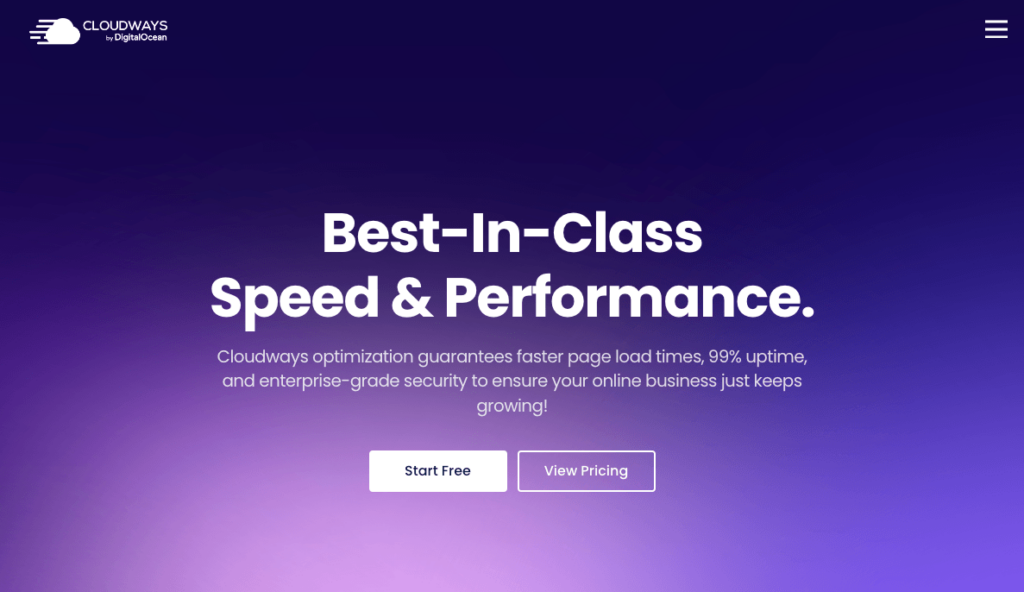
Cloudways stands out as an exceptional choice for web hosting thanks to its unique blend of performance, flexibility, and user-centric features. As a managed cloud hosting platform, Cloudways offers seamless integration with major cloud providers like AWS, Google Cloud, and DigitalOcean, allowing you to choose the infrastructure that best suits your needs. The platform is designed with ease of use in mind, offering a simplified UI and automatic backups, making it accessible even for those with limited technical expertise.
Furthermore, Cloudways excels in performance. With features like advanced caching, SSD-based hosting, and dedicated resources, your website’s speed and reliability are significantly enhanced. This is crucial for maintaining user engagement and improving SEO rankings. Customer support is also a major plus; Cloudways offers 24/7 expert support, ensuring any issues you encounter are promptly addressed.
Ultimately, Cloudways provides a balanced combination of power, flexibility, and support, making it an ideal choice for businesses of all sizes looking to optimize their web presence. Whether you are running a small blog or managing a complex e-commerce site, Cloudways adapts to your needs, providing a robust and scalable hosting solution.
Conclusion
Choosing the right cloud hosting provider is a significant decision that can impact your website’s performance, security, and growth. By understanding your hosting needs, exploring different types of cloud hosting, and evaluating providers based on key features and real-life examples, you can make an informed choice that aligns with your goals.
Ready to make the switch? Explore our recommended cloud hosting providers and take the first step toward optimizing your website today.

