Learn when to choose SEO PowerSuite over SEMrush and Ahrefs. A full 2026 comparison for pricing, features, scalability, and long-term SEO value.
Choosing the right SEO platform in 2026 is no longer about chasing the biggest brand name. Instead, it’s about aligning tools with how you actually work, scale, and manage costs.
SEO professionals today face growing subscription fees, data caps, and usage limits that can quietly erode profitability. That’s why many marketers now choose SEO PowerSuite over SEMrush and Ahrefs for long-term value and operational control.
This guide will help you decide if that choice makes sense for you.
You’ll learn:
- Where SEO PowerSuite clearly outperforms cloud-based tools
- When SEMrush or Ahrefs still make sense
- How pricing, scalability, and data ownership impact real-world SEO work
If you care about predictable costs, technical depth, and flexibility, this comparison will give you clarity before committing.
How the SEO Tool Landscape Has Changed
Over the past few years, SEO tools have shifted from standalone platforms into full marketing ecosystems. While this evolution brought convenience, it also introduced new challenges for professionals who rely on SEO daily.
From SEO Tools to Marketing Platforms
Modern SEO platforms now bundle multiple functions into one dashboard. Alongside SEO, they often include:
- Paid advertising research
- Content marketing tools
- Social media insights
- Competitive intelligence
While this sounds useful, it also means higher costs and more complexity for users who only need strong SEO capabilities.
The Rise of Usage-Based Pricing
Another major change is how SEO tools charge users. Instead of simple plans, many cloud platforms now limit:
- Number of tracked keywords
- Active projects and competitors
- Crawled pages and reports
- Data exports and API usage
As workloads grow, costs increase automatically. This pricing model works for large teams with big budgets, but it can strain freelancers, agencies, and small businesses.
Desktop Tools Took a Different Path
Desktop-based platforms evolved quietly but strategically. Instead of charging for cloud resources, they focus on:
- Local data processing
- Flat annual pricing
- Unlimited projects and reports
- Greater control over stored data
This shift created a clear divide in the SEO market. Today, the choice is no longer about “which tool is best,” but about which business model fits your SEO workflow and long-term goals.
Tool Overview: SEO PowerSuite vs SEMrush vs Ahrefs
To make the decision clearer, it helps to step back and look at what each tool is fundamentally built for. While all three are powerful SEO platforms, they solve different problems for different types of users.
SEO PowerSuite: Depth, Control, and Long-Term Value
SEO PowerSuite is a desktop-based SEO toolkit designed for professionals who want full control over their data and costs.
Key strengths include:
- Flat annual pricing with no usage penalties
- Unlimited projects, keywords, and reports
- Deep technical SEO audits and visual site analysis
- Strong local SEO and multi-engine tracking
- Offline access and local data storage
It’s especially well suited for freelancers, agencies, and budget-conscious teams focused on pure SEO.
SEMrush: All-in-One Marketing Ecosystem
SEMrush positions itself as a complete digital marketing platform rather than just an SEO tool.
Its strengths include:
- SEO, PPC, content, and social tools in one dashboard
- Strong competitor and advertising insights
- Cloud-based collaboration for large teams
However, this convenience comes with higher recurring costs and stricter usage limits.
Ahrefs: Data Power and Simplicity
Ahrefs is known for its massive backlink index and clean, intuitive interface.
Notable advantages:
- Industry-leading backlink analysis
- Fast crawling and reliable data
- Simple workflows for SEO specialists
Its main drawback is usage-based pricing, which can become expensive as workloads grow.
Choosing the Right Tool
Each tool excels in different areas. The right choice depends less on features and more on how you work, scale, and budget for SEO over time.
What’s Inside SEO PowerSuite Software
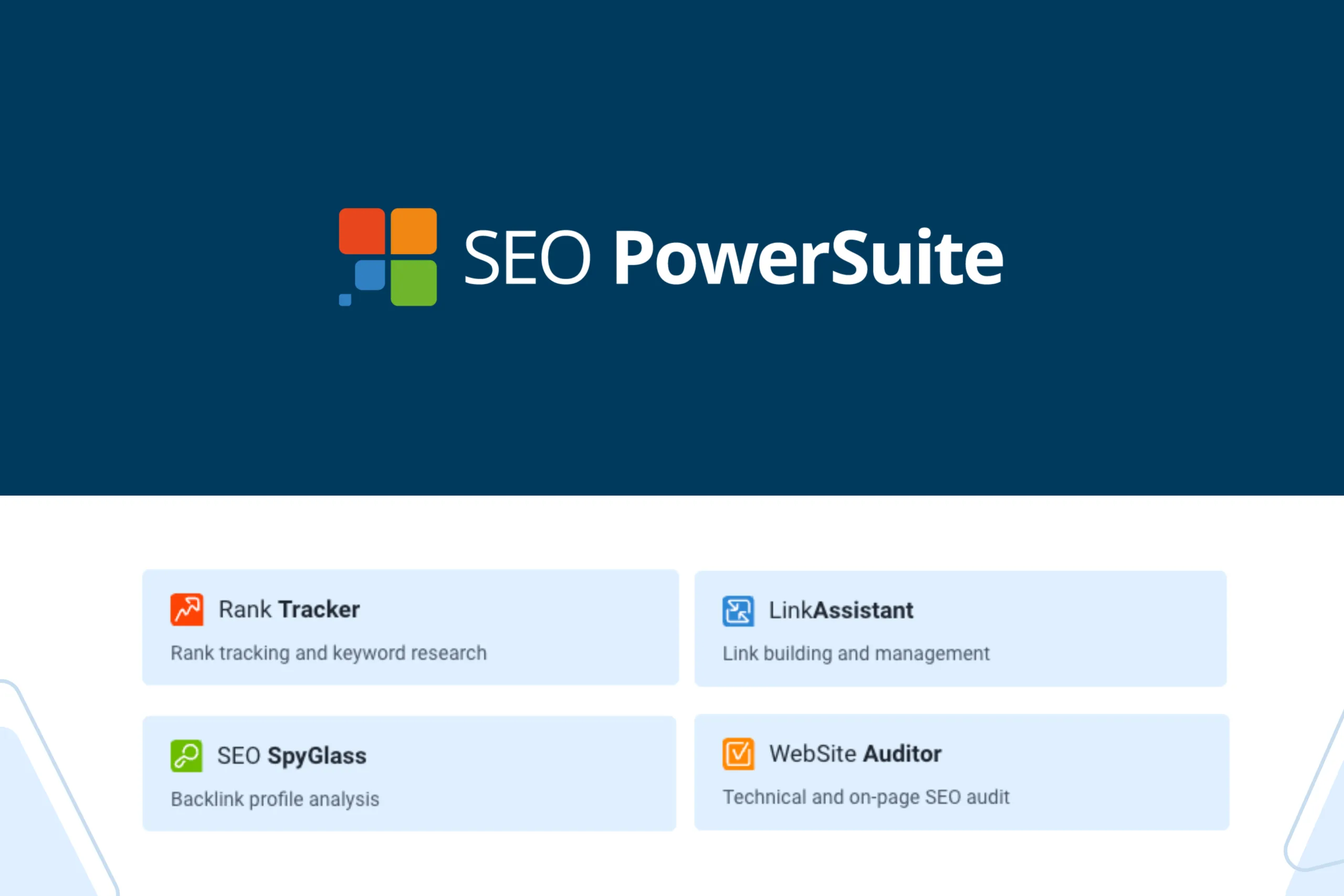
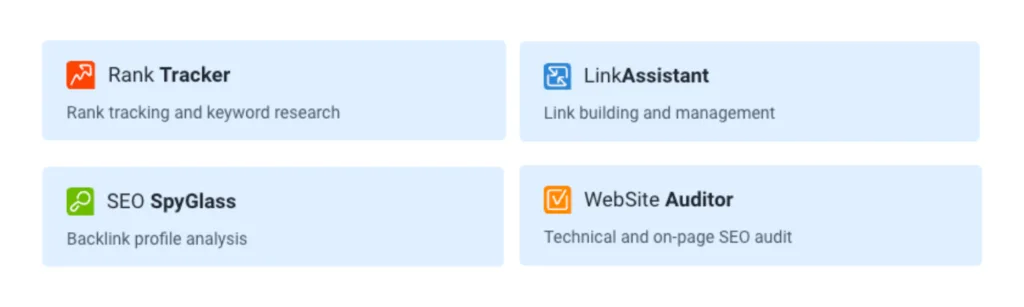
SEO PowerSuite is not a single tool but a complete SEO toolkit made up of four specialized applications. Each component focuses on a core area of SEO, allowing you to manage campaigns end to end without relying on multiple subscriptions.
Rank Tracker
Rank Tracker handles keyword research and position tracking across search engines and locations. It allows you to:
- Track unlimited keywords
- Monitor rankings by country, city, or exact address
- Research keywords using multiple data sources
- Analyze competitors’ keyword strategies
This makes it ideal for both global and local SEO campaigns.
WebSite Auditor
WebSite Auditor focuses on technical SEO and on-page optimization. With it, you can:
- Crawl entire websites
- Detect technical SEO issues
- Analyze internal linking and site structure
- Optimize pages for target keywords
It’s the backbone of deep technical audits.
LinkAssistant
LinkAssistant is designed for link-building management. It helps you:
- Find link prospects
- Manage outreach campaigns
- Track link status and relationships
- Organize backlinks by project
This keeps link-building structured and scalable.
SEO SpyGlass
SEO SpyGlass specializes in backlink analysis. It allows you to:
- Analyze your backlink profile
- Audit link quality and toxicity
- Study competitors’ backlinks
- Monitor link growth over time
Together, these four tools cover the full SEO lifecycle—from research and audits to links and rankings. Watch a quick video to fully understand the unbelievable capacity of our SEO software.
SEO PowerSuite Plans & Pricing
One of the strongest reasons users choose SEO PowerSuite over SEMrush and Ahrefs is its clear, transparent pricing. Instead of locking essential features behind expensive tiers, SEO PowerSuite offers structured plans that scale with capability—not usage limits.

Free Plan (Getting Started)
The Free plan is ideal for testing the platform and understanding its workflow. It includes:
- 1 active project
- Website crawl and audit up to 500 URLs
- Backlink tracking for up to 1,100 links
- Monitoring for 1 competitor per project
- Ability to track Google AI Overviews
This plan is useful for learning, but not for ongoing SEO campaigns.
Professional Plan ($349/year)
This is the most popular plan for freelancers and small agencies. It removes almost all operational limits and includes:
- Unlimited projects and keywords
- Full website crawling and auditing
- Unlimited backlink analysis
- Monitoring of 5 competitors per project
- Access to 216M keywords and 6.5T backlinks
- Rank tracking across 550+ search engines
- 20+ keyword research methods
Enterprise Plan ($599/year)
Designed for agencies and consultants who need reporting flexibility:
- White-label SEO reports
- Automated PDF/HTML report delivery
- Fully customizable report templates
- Advanced export options
- Priority support
Max Plan ($899/year)
Built for growing agencies and partners, the Max plan adds:
- Personalized onboarding and training
- Partner agency listing and certification badge
- Dedicated customer success manager
- Early access to beta features
Overall, SEO PowerSuite’s pricing rewards long-term use, not higher consumption—making it one of the most cost-efficient professional SEO toolkits available in 2026.
Looking for an SEO Powersuite Discount?
If you’re planning to invest in a professional SEO toolkit, this is the best time to do it. Readers of this guide can save 34% on SEO PowerSuite by using our exclusive promo link.
Claim Your 34% Discount Now!1. When You Need Enterprise-Grade SEO — Without Enterprise-Level Pricing
For many SEO professionals, the biggest deciding factor is no longer features—it’s cost. This is one of the clearest situations where users choose SEO PowerSuite over SEMrush and Ahrefs.
The Hidden Cost of Cloud-Based SEO Tools
Cloud platforms rely heavily on server infrastructure. That cost is passed on to users through:
- High monthly or annual subscriptions
- Usage limits on keywords, projects, and crawls
- Forced upgrades as your SEO workload grows
Over time, even basic SEO tasks become expensive.
How SEO PowerSuite Keeps Costs Low
SEO PowerSuite uses a desktop-based model that processes most data locally. Because of this, you’re not paying for cloud storage or computation.
Here’s how pricing compares annually:
- SEO PowerSuite Professional: $349
- Ahrefs Lite: $1,290
- SEMrush Starter: $1,980
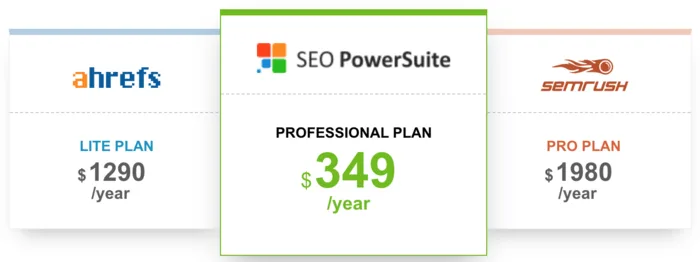
That difference becomes massive over multiple years.
What You Still Get at a Lower Cost
Despite the lower price, SEO PowerSuite delivers enterprise-level capabilities:
- Full technical SEO audits
- Unlimited keyword tracking
- In-depth backlink analysis
- Competitor research and reporting
For small businesses, consultants, and agencies, this pricing model makes professional SEO sustainable—not stressful. Instead of budgeting around software limits, you can invest more into growth, content, and client acquisition while still running advanced SEO campaigns.
2. When You Work With Many Clients and Need Predictable Scaling
Scaling SEO work often exposes the weaknesses of cloud-based pricing models. As soon as you add more clients, projects, or keywords, costs start rising fast. This is another key reason many professionals choose SEO PowerSuite over SEMrush and Ahrefs.
Why SaaS SEO Costs Spiral Quickly
Most cloud SEO platforms charge based on usage. As your client list grows, you typically pay more for:
- Additional projects or campaigns
- Extra tracked keywords
- More competitors per project
- Higher crawl limits and report exports
What starts as a “starter plan” quickly turns into an expensive commitment, especially for agencies managing multiple clients.
Flat Pricing Changes the Scaling Equation
SEO PowerSuite uses a flat annual pricing model. Your costs remain the same no matter how many clients you onboard.
With SEO PowerSuite, you can:
- Create unlimited client projects
- Track unlimited keywords
- Run unlimited site audits
- Export unlimited SEO reports
There are no hidden ceilings or surprise upgrade prompts.
Why This Matters for Agencies and Freelancers
Predictable costs make planning easier. You can:
- Price SEO services confidently
- Scale client work without software stress
- Protect profit margins as you grow
For agencies and consultants, this stability turns SEO software from a recurring risk into a reliable long-term investment.
3. When Local SEO Accuracy Actually Matters
Local SEO success depends on precision. For businesses that rely on nearby customers, broad city-level ranking data often isn’t enough. This is a key scenario where many professionals choose SEO PowerSuite over SEMrush and Ahrefs.
The Problem With City-Level Rank Tracking
Most cloud-based SEO tools allow you to track rankings by city or region. While useful, this approach can hide important details, such as:
- Visibility differences between neighborhoods
- Ranking drops caused by proximity-based filters
- Inconsistent results across short distances
For local businesses, these gaps can lead to wrong decisions and missed opportunities.
Street-Level Rank Tracking Makes the Difference
SEO PowerSuite offers street-level local rank tracking, allowing you to simulate searches from an exact address. This provides a much clearer picture of real-world visibility.
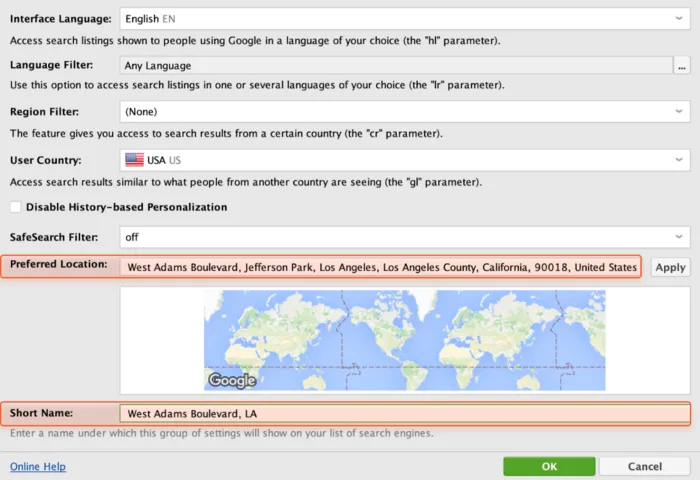
With this approach, you can:
- Track rankings from a specific street or location
- Measure how far your business appears across a city
- Monitor how your local visibility radius expands over time
Why This Matters for Local SEO Campaigns
Accurate data leads to better strategy. Street-level tracking helps you:
- Optimize Google Business Profile efforts
- Identify weak areas in local coverage
- Prove progress clearly to clients
For local SEO specialists, service-based businesses, and multi-location brands, this level of accuracy turns local SEO from guesswork into measurable growth. It also helps identify common SEO mistakes early, before they impact local visibility.
4. When You Need True Multi-Engine and Multi-Language Coverage
Google may dominate global search, but it’s not the only platform that drives meaningful organic traffic. This becomes especially important for ecommerce sites, content creators, and businesses operating in multiple regions. In these cases, many professionals choose SEO PowerSuite over SEMrush and Ahrefs for its broader search coverage.
SEO Is No Longer Google-Only
Today’s search landscape includes:
- YouTube for video discovery
- Bing for desktop and enterprise users
- Amazon for product-based searches
- Yahoo and regional search engines in specific markets
Relying only on Google data can leave valuable traffic opportunities untapped.
Broader Rank Tracking Across Search Engines
SEO PowerSuite tracks rankings across:
- 28 major search engines
- 550+ regional and country-specific variations
This allows you to see how your content performs across different platforms and locations, not just in Google’s ecosystem.
Deeper Keyword Discovery Across Languages
SEO PowerSuite also stands out in keyword research diversity. It pulls data from more than 20 keyword sources, including:
- Autocomplete suggestions
- “People Also Ask” queries
- YouTube and video-based searches
- TF-IDF analysis for topical relevance
Why This Coverage Matters
Multi-engine and multi-language data helps you:
- Discover low-competition keywords others miss
- Build content for international audiences
- Optimize beyond traditional web search
For global SEO strategies and niche markets, this depth provides a clear competitive edge.
5. When You Want Full Transparency and Control Over Your Data
Data ownership has become a serious concern for many SEO professionals, especially in industries where privacy, compliance, and confidentiality matter. This is another strong reason why many teams choose SEO PowerSuite over SEMrush and Ahrefs.
Why Data Control Matters More Than Ever
Cloud-based SEO tools store your projects, crawls, and reports on third-party servers. While convenient, this raises concerns such as:
- Limited visibility into how data is stored or used
- Dependence on external servers and sync schedules
- Potential compliance issues for regulated industries
For agencies handling sensitive client data, this lack of control can be a real risk.
How Desktop-Based SEO Changes the Equation
SEO PowerSuite stores your SEO data locally on your own machine. You decide how and where that data lives.
With SEO PowerSuite, you can:
- Keep all projects and audits stored locally
- Choose what to back up or sync to the cloud
- Work securely without constant online access
No third party has automatic access to your campaigns.
Who Benefits Most From This Model
Full data control is especially valuable for:
- Corporate and in-house SEO teams
- Privacy-focused businesses
- Agencies working under strict NDAs
- Consultants managing proprietary research
Instead of adapting your workflow to a cloud platform’s rules, SEO PowerSuite lets you build SEO processes around your own policies, infrastructure, and long-term security requirements.
6. When You Care About Raw Technical Depth and Visual Clarity
Technical SEO is where many tools start to feel shallow. Surface-level audits and basic warnings are often not enough when you’re dealing with complex site structures, crawl inefficiencies, or internal linking problems. This is another situation where professionals often choose SEO PowerSuite over SEMrush and Ahrefs.
Going Beyond Basic SEO Audits
Many cloud-based tools focus on high-level scores and simplified checklists. While helpful for quick reviews, they can miss deeper structural issues such as:
- Excessive crawl depth
- Orphaned pages
- Inefficient internal link distribution
- Indexation bottlenecks
SEO PowerSuite, particularly its WebSite Auditor component, is built for in-depth technical analysis rather than surface diagnostics.
Visualizing Your Entire Website Structure
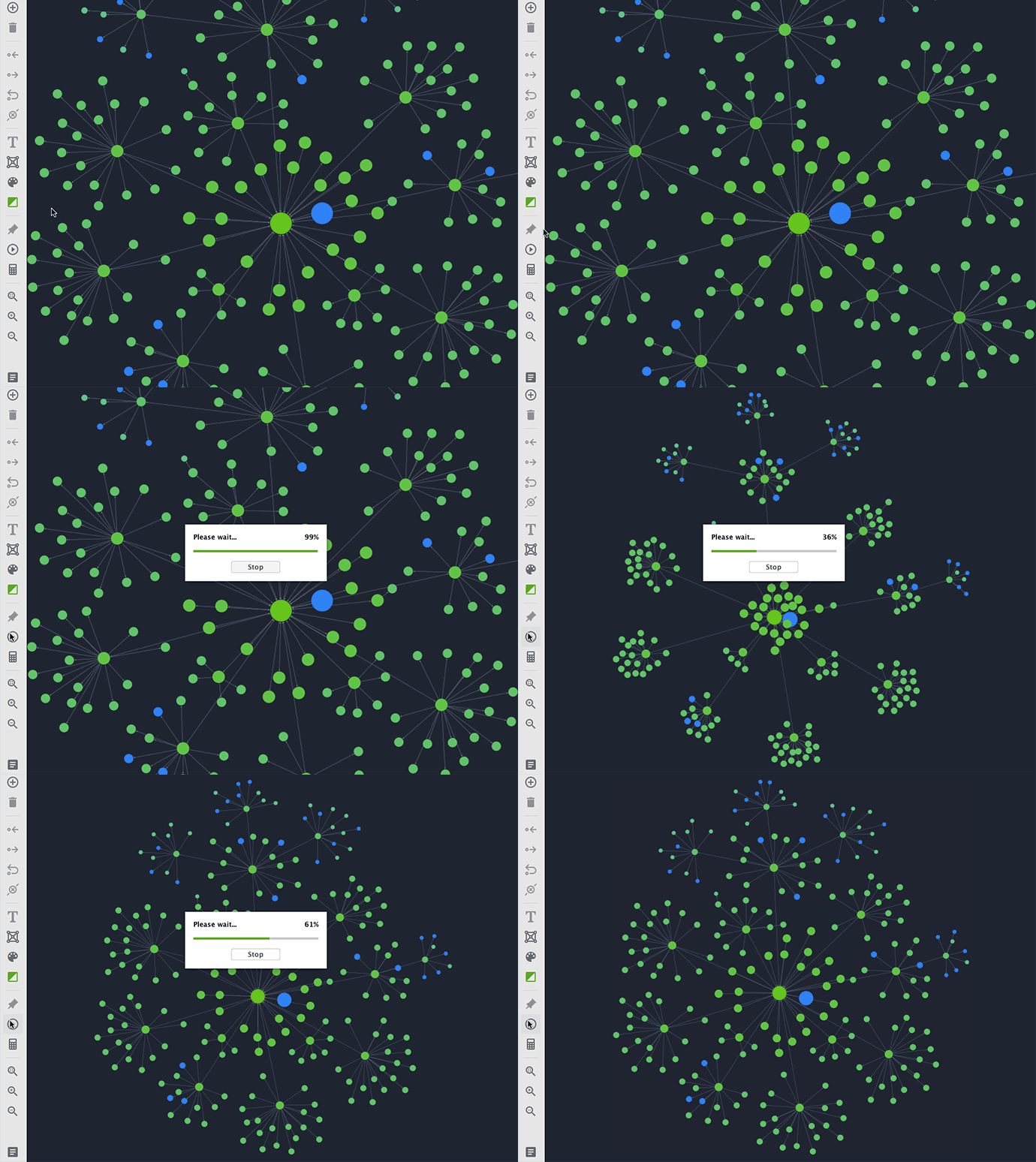
One of SEO PowerSuite’s most underrated strengths is visual clarity. Its site visualization features allow you to see:
- How pages are interconnected
- Where link equity flows — or stops
- Which pages are buried too deep for effective crawling
Instead of reading long tables of URLs, you get a visual map of your site’s architecture.
Why This Matters for Real SEO Work
Clear visuals improve both execution and communication. They help you:
- Identify technical issues faster
- Prioritize fixes based on structure, not guesswork
- Explain complex problems clearly to clients or stakeholders
For technical SEO specialists, agencies, and advanced site owners, this level of depth turns audits into actionable strategies rather than generic reports.
7. When Your Workflow Spans Multiple Data Sources
SEO rarely lives inside a single tool. In real-world campaigns, professionals constantly cross-check data from different platforms to validate insights and avoid misleading conclusions. This is another practical reason many teams choose SEO PowerSuite over SEMrush and Ahrefs.
The Reality of Modern SEO Workflows
A typical SEO workflow often includes:
- Ranking data from an SEO platform
- Clicks and impressions from Google Search Console
- Traffic and behavior metrics from Google Analytics
- Backlink insights from multiple databases
- Sometimes even server logs or custom crawlers
Relying on just one data source can lead to blind spots.
Built for Hybrid SEO Analysis
SEO PowerSuite is designed to support this multi-source reality. It integrates directly with:
- Google Search Console for verified keyword and impression data
- Google Analytics for traffic, engagement, and conversion insights
You can pull this trusted data directly into your SEO projects instead of switching between tabs and tools.
Unified Backlink and Performance Views
Another advantage is flexibility in backlink analysis. SEO PowerSuite allows you to:
- Combine backlink data from its own index
- Import links from Google Search Console
- Merge external backlink data into one dashboard
Why This Matters for Better Decisions
By consolidating data, you can:
- Cross-verify rankings with real traffic
- Spot discrepancies early
- Build SEO strategies based on evidence, not assumptions
For advanced SEO professionals, this integrated approach leads to more accurate analysis and better long-term results.
8. When You Prefer Flexibility Over Constant Internet Access
Not every SEO task requires a live internet connection. Yet most cloud-based SEO platforms are unusable the moment connectivity drops. For professionals who value flexibility, this is another reason many choose SEO PowerSuite over SEMrush and Ahrefs.
The Limitations of Cloud-Only SEO Tools
Cloud SEO platforms depend on continuous access to their servers. When your connection is unstable, you may face:
- Inability to open projects or reports
- Interrupted crawls or data refreshes
- Lost productivity during travel or outages
For freelancers, consultants, and remote teams, these interruptions can quickly add up.
How Offline Access Improves Productivity
SEO PowerSuite processes and stores data locally, which means you can continue working even when offline.
With SEO PowerSuite, you can:
- Review existing audits and crawl data
- Analyze keyword lists and rankings
- Prepare reports and strategy notes
- Plan site fixes without live data refresh
When you’re back online, you can simply sync updates.
Who Benefits Most From This Flexibility
Offline capability is especially valuable for:
- Professionals who travel frequently
- Teams in regions with unstable internet
- Users who prefer a stable desktop workspace
This flexibility gives you control over your workflow, allowing you to work when and where it suits you—without being tied to constant connectivity.
When SEO PowerSuite Might Not Be the Best Fit
While SEO PowerSuite offers strong value, depth, and control, it isn’t the perfect solution for every use case. Understanding its limitations is just as important as recognizing its strengths. In some situations, SEMrush or Ahrefs may be a better fit.
Situations Where Cloud Tools Work Better
SEO PowerSuite may not be ideal if your workflow depends heavily on real-time collaboration and shared dashboards. Cloud-based platforms perform better when:
- Multiple team members need simultaneous access
- Real-time updates must sync instantly across users
- SEO tasks are shared between large departments
Desktop-based software naturally favors individual or small-team workflows.
When You Need an All-in-One Marketing Platform
If your SEO efforts are deeply tied to other digital marketing channels, cloud tools may offer more convenience. You might prefer SEMrush or Ahrefs if you:
- Run paid advertising campaigns alongside SEO
- Manage social media and content marketing from one dashboard
- Need built-in competitive ad and media insights
SEO PowerSuite focuses on SEO depth rather than cross-channel marketing.
Large Enterprise-Scale Websites
For very large sites, SEO PowerSuite may require more local system resources. Enterprises managing millions of URLs may prefer cloud infrastructure for sheer scale.
Choosing Based on Priorities
Ultimately, the decision depends on whether you value:
- Convenience and collaboration
- Or control, cost-efficiency, and technical depth
Knowing these trade-offs ensures you choose the tool that truly fits your business model.
The Bigger Picture: Value vs Ecosystem
By 2026, SEO tools are no longer competing on features alone. They represent different philosophies about how SEO work should be done. Understanding this bigger picture helps explain why many professionals choose SEO PowerSuite over SEMrush and Ahrefs.
Three Tools, Three Different Approaches
Each platform has matured into a distinct ecosystem:
- SEMrush positions itself as an all-in-one digital marketing hub. It blends SEO with PPC, content marketing, competitor ads, and social insights. This works well for teams managing multiple channels from one dashboard.
- Ahrefs focuses on data quality and simplicity. It’s widely respected for backlink analysis, clean design, and fast crawling, making it popular among SEO specialists who value raw data.
- SEO PowerSuite prioritizes depth, precision, and long-term value. Instead of bundling everything, it delivers professional-grade SEO without cloud dependency or usage-based pricing.
Value vs Convenience
At its core, this comparison comes down to trade-offs:
- Cloud platforms offer speed, collaboration, and convenience
- Desktop platforms offer control, transparency, and cost stability
Choosing What Actually Fits Your Business
If your priority is:
- Predictable costs
- Unlimited scaling without penalties
- Full ownership of SEO data
Then SEO PowerSuite aligns better with your goals. The “best” tool isn’t universal—it’s the one that matches how you work, grow, and measure success over time.
A Quick 2026 Comparison Snapshot
Sometimes the fastest way to decide is to step back and match tools to real-world use cases. Instead of comparing every feature line by line, this snapshot focuses on who each platform serves best in 2026.
Best Fit by Use Case
| Use Case | Best fit |
| Solo entrepreneurs & small businesses | SEO PowerSuite |
| SEO freelancers & consultants | SEO PowerSuite |
| Multi-client SEO agencies | SEO PowerSuite |
| Large marketing teams | SEMrush |
| Data-driven SEO specialists | SEO PowerSuite or Ahrefs |
| Deep backlink or competitor research | SEO PowerSuite |
| Precise local SEO & multi-engine coverage | SEO PowerSuite |
This comparison shows a clear pattern. SEO PowerSuite consistently wins where:
- Cost predictability matters
- SEO depth is more important than marketing breadth
- Scaling work shouldn’t increase software expenses
Rather than chasing the most popular tool, this snapshot helps you choose the platform that fits your actual SEO workload in 2026.
FAQs
Is SEO PowerSuite suitable for SEO beginners?
Yes. SEO PowerSuite includes guided audits, clear recommendations, and structured reports that help beginners learn SEO fundamentals, while still offering advanced tools as skills grow.
Can SEO PowerSuite fully replace SEMrush or Ahrefs?
For core SEO tasks like audits, rank tracking, backlinks, and technical analysis, yes. However, SEMrush may be better if you rely heavily on PPC, social media, or content marketing tools.
Is desktop-based SEO software still relevant in 2026?
Absolutely. Desktop SEO tools remain relevant because they offer better data control, offline access, and predictable pricing—advantages that cloud-based tools often lack.
Does SEO PowerSuite work well for SEO agencies?
Yes. Unlimited projects, keywords, and reports make SEO PowerSuite ideal for agencies managing multiple clients without worrying about escalating software costs.
How accurate is SEO PowerSuite’s rank tracking?
SEO PowerSuite provides highly accurate rank tracking, including street-level local SEO tracking and multi-engine coverage, which often delivers more realistic visibility data than city-level tracking.
Is SEO PowerSuite secure for client data?
Yes. All project data is stored locally on your machine unless you choose to sync it, making it suitable for privacy-focused businesses and agencies working under strict confidentiality agreements.
Wrapping Up
Choosing between SEO PowerSuite, SEMrush, and Ahrefs in 2026 isn’t about finding a universally “better” tool. It’s about selecting the platform that fits your workflow, budget, and long-term SEO goals.
SEO PowerSuite stands out when you value:
- Predictable, flat annual pricing
- Unlimited projects, keywords, and reports
- Deep technical SEO and visual site analysis
- Full control over your data and privacy
- The ability to scale SEO work without scaling software costs
SEMrush and Ahrefs still excel in areas like real-time collaboration, integrated marketing features, and massive cloud-based datasets. For large teams or cross-channel marketing departments, those strengths can justify the higher cost.
However, if your focus is professional-grade SEO, long-term value, and operational flexibility, SEO PowerSuite remains a compelling choice. It allows you to invest more in growth, strategy, and results—rather than ongoing software upgrades.
Ultimately, the best SEO tool is the one that supports how you work today while remaining sustainable as your SEO efforts grow tomorrow.